Lernkarte #2002 — 爱情 (àiqíng)
#2002 PINYIN
[a˥˩ t͡ɕʰiŋ˧˥]
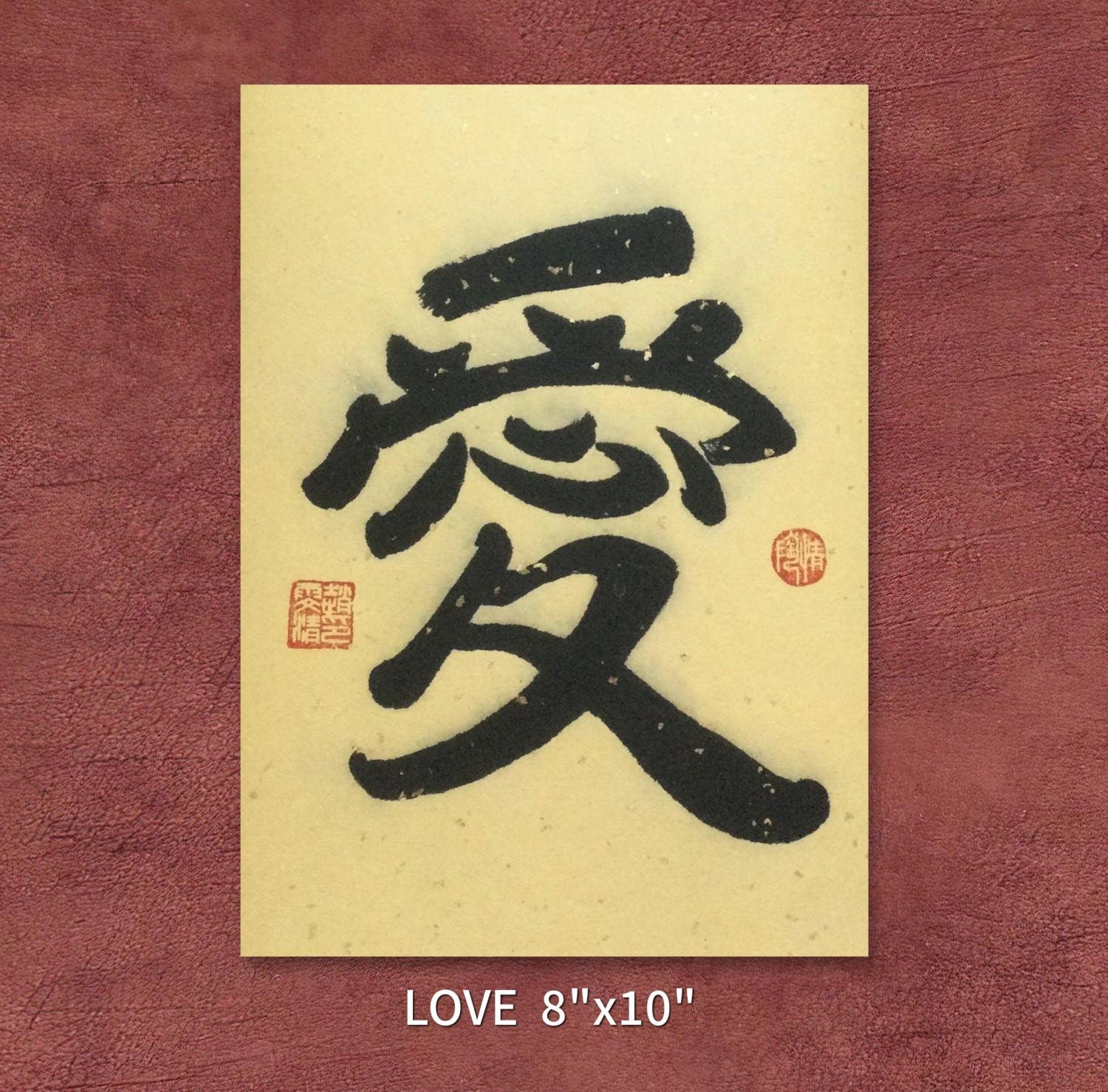
love; romantic love; affection between partners
爱情 (àiqíng) bezeichnet romantische Liebe, die gefühlvolle Beziehung zwischen zwei Menschen.
Es setzt sich zusammen aus:
-
爱 ài „Liebe“
-
情 qíng „Gefühl, Emotion“
Wörtlich: „Liebe + Gefühl“ → romantische Liebe.
In English:
The word 爱情 (àiqíng) means romantic love, emotional affection between partners.
Literally: love + feeling.
🌟 COMPARISON IPA – PINYIN
| #1288 | romantic love | [a˥˩ t͡ɕʰiŋ˧˥] | àiqíng | 爱情 |
01|àiqíng — Syllable Analysis
| Teil | IPA | Pinyin | Ton | Description EN | Beschreibung DE | Bedeutung |
|---|---|---|---|---|---|---|
| 1 | [a˥˩] | ài | 🟣 4th | sharp falling tone | starker Abfall | „Liebe“ |
| 2 | [t͡ɕʰiŋ˧˥] | qíng | 🟢 2nd | rising tone | ansteigend | „Gefühl, Emotion“ |
→ [a˥˩ t͡ɕʰiŋ˧˥] — àiqíng
Tone Pattern: 🟣 + 🟢 (falling → rising)
Meaning: „romantische Liebe; tiefe Gefühle zweier Menschen“
02|àiqíng — Phonetic Details
| # | IPA | Pinyin | Ton | Phonetic Description (EN) | Phonetische Beschreibung (DE) |
|---|---|---|---|---|---|
| ① | [a] | à | 🟣 | open front vowel | offener Vorderzungenvokal |
| ② | [˥˩] | à | 🟣 | sharp falling contour | scharfer Abfall |
| ③ | [t͡ɕʰ] | q | – | aspirated alveolo-palatal affricate | aspiriertes alveolopalatales Affrikat |
| ④ | [iŋ] | ing | – | high front vowel + nasal ending | hoher Vorderzungenvokal + Nasal |
| ⑤ | [˧˥] | qíng | 🟢 | rising contour | ansteigender Ton |
→ rhythmic contrast: falling → rising
→ emotionally expressive sound shape
03|àiqíng — Mnemonics (Eselsbrücken)
Kategorie | English Mnemonic | Deutsche Eselsbrücke
Tone Pattern
🟣 → 🟢 = falling → rising
like a heart dropping and then lifting again ❤️↗️
wie ein Herz, das erst fällt, dann wieder aufsteigt ❤️↗️
Meaning Link
“love + feeling = romantic love”
„Liebe + Gefühl = romantische Liebe“
Sound Image
the fall of ài = intense emotion
the rise of qíng = feelings growing
der Fall von ài = starke Emotion
der Anstieg von qíng = wachsende Gefühle
Pronunciation Tip
Make a clear cut on ài, then soften into qíng.
Erst klarer Abfall bei ài, dann weicher Aufstieg bei qíng.
Cultural Note
Very common in poetry, movies, songs.
Sehr häufig in Poesie, Filmen, Liedern.
04|àiqíng — Audio Imagery
IPA: [a˥˩ t͡ɕʰiŋ˧˥]
Tone Flow: 🟣 → 🟢
falling → rising
Tone Movement:
high → low → mid → high
= „emotional wave“
English Image:
“a heart falling in love, then emotions rising” 💓↗️
Deutsches Hörbild:
„Ein Ton fällt tief (à), Gefühle steigen wieder (qíng).“
05|Didactic Summary — àiqíng
| Focus | Explanation EN | Erklärung DE |
|---|---|---|
| IPA–Pinyin | ài=[a˥˩], qíng=[t͡ɕʰiŋ˧˥] | ài=[a˥˩], qíng=[t͡ɕʰiŋ˧˥] |
| Tone | 🟣 + 🟢 (4th + 2nd) | 🟣 + 🟢 (4. + 2. Ton) |
| Meaning | romantic love | romantische Liebe |
| Common Usage | 他们的爱情很深。“Their love is deep.” | 他们的爱情很深。„Ihre Liebe ist tief.“ |
| Speech Rhythm | strong → gentle | stark → sanft |
06|Fazit #1288 — àiqíng (bilingual)
Category |
English Explanation |
Deutsche Erklärung |
|---|---|---|
Word |
爱情 (àiqíng) |
爱情 (àiqíng) |
IPA |
[a˥˩ t͡ɕʰiŋ˧˥] |
[a˥˩ t͡ɕʰiŋ˧˥] |
Tone Pattern |
🟣 + 🟢 |
🟣 + 🟢 |
Meaning |
romantic love |
romantische Liebe |
Sound Image |
fall → rise = emotional lift |
Fall → Anstieg = Gefühlswelle |
Emotional Tone |
warm, affectionate |
warm, liebevoll |
Cultural Note |
common in everyday speech |
sehr häufig im Alltag |
Mnemonic |
ài falls (intensity), qíng rises (emotion) |
ài fällt (Intensität), qíng steigt (Gefühl) |