SHEN SUMMARY
SHEN has seven major meaning centers:
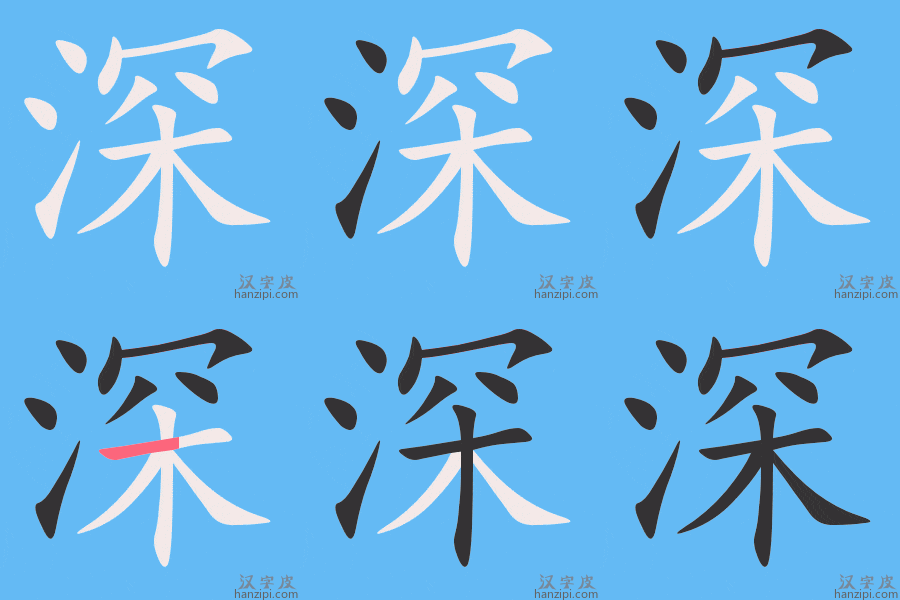
1️⃣ 深 shēn — deep; profound; deep color
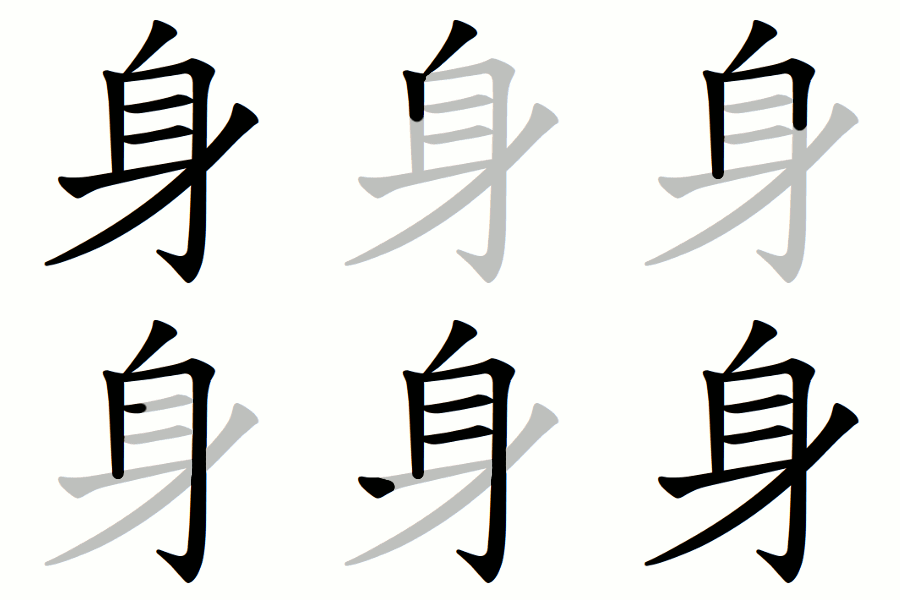
2️⃣ 身 shēn — body; oneself; personal
3️⃣ 神 shén — god; spirit; divine; miraculous
4️⃣ 申 shēn — to explain; report; state; apply; stretch
5️⃣ 审 shěn — to examine; inspect; judge; review
6️⃣ 甚 shèn — very; extremely; even (formal)
7️⃣ 肾 shèn — kidney
Secondary meanings:
8️⃣ 绅 shēn — gentry; gentleman (classical)
9️⃣ 婶 shěn — aunt (father’s younger brother’s wife)
10️⃣ 呻 shēn — groan; moan
11️⃣ 慎 shèn — cautious (belongs to SHEN cluster but pronounced shèn)
DEUTSCH
SHEN (shēn / shén / shěn / shèn) ist eine der größten und wichtigsten Silbenfamilien des gesamten modernen Chinesisch.
Sie ist genauso zentral wie SHI / SHENG / SHOU / SHAN und trägt fundamentale Bedeutungen:
tief, Körper, Gott, erklären, beantragen, anmerken, Niere, vorsichtig, sehr, sich ausdehnen.
SHEN besitzt sieben Hauptbedeutungen:
1️⃣ 深 shēn — tief; intensiv; dunkel (Farbe)
2️⃣ 身 shēn — Körper; selbst; persönlich
3️⃣ 神 shén — Gott; Geist; göttlich; wunderbar
4️⃣ 申 shēn — erklären; melden; Antrag stellen; ausstrecken
5️⃣ 审 shěn — prüfen; untersuchen; beurteilen
6️⃣ 甚 shèn — sehr; äußerst; sogar (gehoben)
7️⃣ 肾 shèn — Niere
Weitere Bedeutungen:
8️⃣ 绅 shēn — Edelmann (klassisch)
9️⃣ 婶 shěn — Tante (mütterlich/Onkelfrau)
10️⃣ 呻 shēn — stöhnen
11️⃣ 慎 shèn — vorsichtig; umsichtig

🧩 MASTER TABLE — SHEN (EN / DE)
| Hanzi | Pinyin | English | Deutsch | Notes |
|---|---|---|---|---|
| 深 | shēn | deep | tief | HSK |
| 深刻 | shēnkè | profound | tiefgehend | abstract |
| 深色 | shēnsè | dark color | dunkel | color |
| 身 | shēn | body; oneself | Körper; selbst | super-core |
| 身体 | shēntǐ | body/health | Körper/Gesundheit | HSK |
| 身边 | shēnbiān | around oneself | um einen herum | |
| 神 | shén | god; spirit | Gott; Geist | religion |
| 精神 | jīngshén | spirit; energy | Geist; Energie | HSK |
| 神奇 | shénqí | magical | wundersam | |
| 申 | shēn | explain; apply | erklären; beantragen | admin |
| 申请 | shēnqǐng | apply | Antrag stellen | HSK |
| 申报 | shēnbào | report | melden; deklarieren | |
| 审 | shěn | examine; judge | prüfen; untersuchen | legal |
| 审查 | shěnchá | review; examine | überprüfen | |
| 审判 | shěnpàn | trial | Gerichtsverhandlung | |
| 慎 | shèn | cautious | vorsichtig | moral |
| 甚 | shèn | extremely | äußerst; sehr | formal |
| 肾 | shèn | kidney | Niere | anatomy |
| 肾脏 | shènzàng | kidneys | Nieren | medical |
⭐ DETAILED CORE CLUSTERS
⭐ 1) 深 shēn — deep, profound (mega-core)
Extremely common in both literal and abstract senses.
Domains:
-
spatial depth
-
emotional depth
-
dark colors
-
deep learning / deep study
-
deep night
Words:
-
深色 shēnsè — dark color
-
深夜 shēnyè — deep night
-
深海 shēnhǎi — deep sea
-
深刻 shēnkè — profound
-
深入 shēnrù — go deep
Example
这个问题很深。
Zhège wèntí hěn shēn.
EN: This question is deep.
DE: Diese Frage ist sehr tiefgründig.
⭐ 2) 身 shēn — body; oneself; personally (super-core)
One of the highest-frequency morphemes.
Words:
-
身体 shēntǐ — body
-
身份 shēnfèn — identity/status
-
亲身 qīnshēn — personally
-
出身 chūshēn — origin/background
-
身边 shēnbiān — at one’s side
Example
你身体好吗?
Nǐ shēntǐ hǎo ma?
EN: Are you in good health?
DE: Geht es dir gesundheitlich gut?
⭐ 3) 神 shén — god; spirit; mental state
Two main uses:
-
religion/spiritual
-
mental state / expression
Words:
-
神奇 shénqí — magical
-
神话 shénhuà — mythology
-
神秘 shénmì — mysterious
-
精神 jīngshén — spirit; energy
Example
这里真的很神奇。
Zhèlǐ zhēn de hěn shénqí.
EN: This place is truly magical.
DE: Dieser Ort ist wirklich wundersam.
⭐ 4) 申 shēn — declare; apply; stretch (administrative core)
Highly productive in bureaucracy and applications.
Words:
-
申请 shēnqǐng — apply
-
申报 shēnbào — declare; report
-
申明 shēnmíng — state clearly
-
申诉 shēnsù — appeal (legal)
Example
我已经申请了。
Wǒ yǐjīng shēnqǐng le.
EN: I have already applied.
DE: Ich habe schon beantragt.
⭐ 5) 审 shěn — inspect; examine; judge
Used in legal, academic, and administrative contexts.
Words:
-
审查 shěnchá — review; investigate
-
审批 shěnpī — approval (government)
-
审判 shěnpàn — court trial
-
审问 shěnwèn — interrogate
Example
这个项目需要审查。
Zhège xiàngmù xūyào shěnchá.
EN: This project needs to be reviewed.
DE: Dieses Projekt muss geprüft werden.
⭐ 6) 慎 shèn — cautious; careful
Often moral/personal character.
Words:
-
谨慎 jǐnshèn — cautious
-
慎重 shènzhòng — careful; serious
-
慎行 shènxíng — act carefully
Example
你要慎重决定。
Nǐ yào shènzhòng juédìng.
EN: You must decide carefully.
DE: Du musst sorgfältig entscheiden.
⭐ 7) 甚 shèn — very; exceedingly (formal/literary)
Used in classical-style or formal writing.
Words:
-
甚好 shènhǎo — excellent
-
甚为 shènwéi — extremely
-
甚而 shèn’ér — even; furthermore
⭐ 8) 肾 shèn — kidney (medical)
Words:
-
肾脏 shènzàng — kidneys
-
肾病 shènbìng — kidney disease
-
换肾 huànshèn — kidney transplant
📊 MINI-COMPARISON TABLE — SHEN FAMILY
| Hanzi | Pinyin | EN Meaning | DE Bedeutung |
|---|---|---|---|
| 深 | shēn | deep | tief |
| 身 | shēn | body | Körper |
| 神 | shén | god; spirit | Gott; Geist |
| 申 | shēn | apply; declare | beantragen; melden |
| 审 | shěn | examine | prüfen |
| 慎 | shèn | cautious | vorsichtig |
| 肾 | shèn | kidney | Niere |
| 甚 | shèn | very | sehr (gehoben) |
🗣 EXAMPLE SENTENCES (EN / DE + Pinyin)
深 shēn
水很深。
Shuǐ hěn shēn.
EN: The water is deep.
DE: Das Wasser ist tief.
身 shēn
请保重身体。
Qǐng bǎozhòng shēntǐ.
EN: Please take care of your health.
DE: Bitte achte auf deine Gesundheit.
神 shén
他精神很好。
Tā jīngshén hěn hǎo.
EN: He is energetic / in good spirits.
DE: Er ist voller Energie / guter Dinge.
申 shēn
她正在申请签证。
Tā zhèngzài shēnqǐng qiānzhèng.
EN: She is applying for a visa.
DE: Sie beantragt gerade ein Visum.
审 shěn
案件已经审完了。
Ànjiàn yǐjīng shěnwán le.
EN: The case has been fully reviewed.
DE: Der Fall wurde vollständig geprüft.
慎 shèn
做事要谨慎。
Zuò shì yào jǐnshèn.
EN: Be cautious when doing things.
DE: Sei vorsichtig bei deinen Handlungen.
肾 shèn
他做了肾移植。
Tā zuòle shèn yízhí.
EN: He had a kidney transplant.
DE: Er hat eine Nierentransplantation bekommen.
📚 Kurz-Zusammenfassung (EN / DE)
ENGLISH
SHEN covers:
deep (深),
body (身),
god/spirit (神),
apply/report (申),
examine (审),
cautious (慎),
kidney (肾).
One of the largest, most versatile Pinyin families.
DEUTSCH
SHEN umfasst:
tief (深),
Körper (身),
Gott/Geist (神),
melden/beantragen (申),
prüfen (审),
vorsichtig (慎),
Niere (肾).
Eine der größten und vielseitigsten Silbenfamilien.
📝 Summary Question Words I
Symbol |
Hanzi |
Pinyin |
Ton |
Wortart (DE/EN) |
EN Meaning |
DE Bedeutung |
Notes (EN / DE) |
🟦🟦 ❓ |
谁 |
shéi / shuí |
🟦🟢 |
Pronoun / Pronomen |
who |
wer |
Asks about a person’s identity; modern form = shéi, formal/literary = shuí. / Fragt nach einer Person; moderne Form = shéi, formell/literarisch = shuí. |
🟦🟦 ❓ |
什么 |
shénme |
🟦🟦 |
Pronoun / Pronomen |
what |
was |
Asks about things, matters; also “what kind of.” / Fragt nach Dingen, Sachverhalten; auch „was für ein“. |
🟦🟦 ❓ |
哪 |
nǎ |
🟢 |
Pronoun / Pronomen |
which |
welcher |
Used for selection or specification, often with classifier 个, 本, etc. / Für Auswahl/Bestimmung, meist mit Zählwort 个, 本 usw. |
🟦🟦 ❓ |
怎么 |
zěnme |
🔵🟦 |
Pronoun / Pronomen |
how |
wie |
Asks about manner, method, sometimes reason (“why”). / Fragt nach Art/Weise, Methode oder auch Grund („wieso“). |
📝 Summary Question Words II
Symbol |
Hanzi |
Pinyin |
Ton |
Wortart (DE/EN) |
EN Meaning |
DE Bedeutung |
Notes (EN / DE) |
🟦🟦 ⏰ |
什么时候 |
shénme shíhòu |
🟦🟦 🟦🟦 |
Pronoun phrase / Pronomenphrase |
when |
wann |
Used to ask about time, moment, occasion. / Fragt nach Zeit, Zeitpunkt, Gelegenheit. |
🟦🟦 ❓ |
为什么 |
wèishénme |
🟣🟦🟦 |
Pronoun phrase / Pronomenphrase |
why |
warum |
Used to ask about reason or cause. / Fragt nach Grund oder Ursache. |
📝 Summary Question Words III
Symbol |
Hanzi |
Pinyin |
Ton |
Wortart (DE/EN) |
EN Meaning |
DE Bedeutung |
Notes (EN / DE) |
🟦🟦 📍 |
哪儿 |
nǎr |
🟢⚪ |
Pronoun / Pronomen |
where |
wo |
Northern form, very common in Beijing; used interchangeably with 哪里. / Nördliche Form, sehr gebräuchlich in Peking; austauschbar mit 哪里. |
🟦🟦 📍 |
哪里 |
nǎlǐ |
🟢🟦 |
Pronoun / Pronomen |
where |
wo |
More common in written and southern usage; standard in dictionaries. / Häufiger in Schrift- und Südchinesisch; Standardform in Wörterbüchern. |
🟦🟦 ❓ |
怎么回事 |
zěnme huí shì |
🔵🟦 🟦 🟥 |
Phrase (Interrogative expression) |
what’s going on, what happened |
was ist los, was ist passiert |
Used to ask about situation, cause of an event. / Fragt nach Situation oder Ursache eines Vorfalls. |
📝 Summary Question Words IV
Symbol |
Hanzi |
Pinyin |
Ton |
Wortart (DE/EN) |
EN Meaning |
DE Bedeutung |
Notes (EN / DE) |
🔢 |
多少 |
duōshǎo |
🔴🔵 |
Pronoun / Pronomen |
how many, how much |
wie viele, wie viel |
Used for both countable and uncountable quantities; often without classifier. / Für zählbare und unzählbare Mengen; oft ohne Zählwort. |
🔢 |
几 |
jǐ |
🔵 |
Pronoun / Pronomen |
how many (small number); which |
wie viele (kleine Zahl); welcher |
Usually for numbers below 10, requires classifier; also “which” in certain contexts. / Meist für Zahlen <10, braucht Zählwort; auch „welcher“ in bestimmten Kontexten. |
🟦🟦 🌟 |
怎么样 |
zěnmeyàng |
🔵🟦🟦 |
Pronoun phrase / Pronomenphrase |
how is it, what about |
wie ist es, was ist damit |
Asks about condition, state, suggestion. / Fragt nach Zustand, Meinung oder Vorschlag. |
📝 Summary Question Words V
Symbol |
Hanzi |
Pinyin |
Ton |
Wortart (DE/EN) |
EN Meaning |
DE Bedeutung |
Notes (EN / DE) |
🟦🟦 🗂️ |
哪种 |
nǎ zhǒng |
🟢🟦 |
Pronoun phrase / Pronomenphrase |
which kind |
welche Art |
Used to ask about categories, types. / Fragt nach Kategorien oder Typen. |
🟦🟦 📋 |
哪些 |
nǎxiē |
🟢🟥 |
Pronoun phrase / Pronomenphrase |
which ones |
welche (Plural) |
Refers to specific items in plural form. / Bezieht sich auf bestimmte Dinge im Plural. |
🔢 |
多大 |
duō dà |
🔴🟩 |
Pronoun phrase / Pronomenphrase |
how big; how old |
wie groß; wie alt |
For size, age (esp. children). / Für Größe und Alter (bes. Kinder). |
📝 Summary Question Words VI
Symbol |
Hanzi |
Pinyin |
Ton |
Wortart (DE/EN) |
EN Meaning |
DE Bedeutung |
Notes (EN / DE) |
⏳ |
多长时间 |
duō cháng shíjiān |
🔴🔵🟦🟦 |
Pronoun phrase / Pronomenphrase |
how long (time) |
wie lange (Zeit) |
Used to ask about duration of time. / Fragt nach Dauer einer Handlung oder Zeitspanne. |
🌍 |
哪里人 |
nǎlǐ rén |
🟢🟦🟦 |
Pronoun phrase / Pronomenphrase |
person from where |
woher (welcher Herkunft) |
Used to ask about someone’s origin or hometown. / Fragt nach Herkunft oder Heimatort einer Person. |
🟦🟦 💡 |
怎么办 |
zěnme bàn |
🔵🟦🟣 |
Phrase (Interrogative) |
what to do; how to handle |
was tun; wie damit umgehen |
Used to ask about solutions, actions. / Fragt nach Lösung oder Vorgehensweise. |
📝 Summary Question Words VII
Symbol |
Hanzi |
Pinyin |
Ton |
Wortart (DE/EN) |
EN Meaning |
DE Bedeutung |
Notes (EN / DE) |
📅 |
哪一年 |
nǎ yī nián |
🟢🔴🟦 |
Pronoun phrase / Pronomenphrase |
which year |
welches Jahr |
Used to ask about a specific year. / Fragt nach einem bestimmten Jahr. |
↘️ |
从哪里 |
cóng nǎlǐ |
🔵🟢🟦 |
Prep. phrase / Präpositionalphrase |
from where |
von wo |
Asks about origin, starting point of an action. / Fragt nach Herkunft oder Ausgangspunkt. |
↗️ |
到哪儿 |
dào nǎr |
🟣🟢⚪ |
Prep. phrase / Präpositionalphrase |
to where |
wohin |
Asks about destination. / Fragt nach Ziel oder Richtung. |
📝 Summary Question Words VIII
Symbol |
Hanzi |
Pinyin |
Ton |
Wortart (DE/EN) |
EN Meaning |
DE Bedeutung |
Notes (EN / DE) |
⏰ |
到什么时候 |
dào shénme shíhòu |
🟣🟦🟦🟦🟦 |
Pronoun phrase / Pronomenphrase |
until when |
bis wann |
Asks about an end point in time. / Fragt nach Endpunkt oder Frist in der Zeit. |
🛠️ |
用什么 |
yòng shénme |
🟣🟦🟦 |
Verb phrase / Verbphrase |
with what; by what means |
womit; durch welches Mittel |
Asks about tool, method, or means used. / Fragt nach Werkzeug, Methode oder Mittel. |
👤 |
向谁 |
xiàng shéi |
🟦🟦🟢 |
Prep. phrase / Präpositionalphrase |
towards whom; to whom |
zu wem; an wen |
Asks about recipient or direction towards a person. / Fragt nach Empfänger oder Zielperson. |
📝 Summary Question Words IX
Symbol |
Hanzi |
Pinyin |
Ton |
Wortart (DE/EN) |
EN Meaning |
DE Bedeutung |
Notes (EN / DE) |
🤝 |
跟谁 |
gēn shéi |
🔴🟦🟢 |
Prep. phrase / Präpositionalphrase |
with whom |
mit wem |
Used to ask about companionship, association. / Fragt nach Begleitung oder Partnerschaft. |
🎁 |
给谁 |
gěi shéi |
🟢🟦🟢 |
Prep. phrase / Präpositionalphrase |
to whom |
wem; an wen |
Used to ask about recipient. / Fragt nach Empfänger einer Handlung oder Sache. |
🎯 |
对谁 |
duì shéi |
🟣🟦🟢 |
Prep. phrase / Präpositionalphrase |
towards whom |
gegenüber wem |
Asks about target or orientation of action. / Fragt nach Zielperson oder Adressat einer Handlung. |
📝 Summary Question Words X
Symbol |
Hanzi |
Pinyin |
Ton |
Wortart (DE/EN) |
EN Meaning |
DE Bedeutung |
Notes (EN / DE) |
🔁 |
几次 |
jǐ cì |
🔵🟣 |
Pronoun phrase / Pronomenphrase |
how many times (small number) |
wie oft (kleine Zahl) |
Usually for smaller numbers (<10); requires classifier 次. / Gewöhnlich für kleine Zahlen (<10); braucht das Zählwort 次. |
🔁 |
多少次 |
duōshǎo cì |
🔴🔵🟣 |
Pronoun phrase / Pronomenphrase |
how many times (general) |
wie viele Male (allgemein) |
More general than 几次; can be large numbers. / Allgemeiner als 几次; kann auch große Zahlen meinen. |
⏳ |
多久 |
duō jiǔ |
🔴🔵 |
Pronoun phrase / Pronomenphrase |
how long (duration) |
wie lange (Dauer) |
Asks about length of time; interchangeable with 多长时间. / Fragt nach Zeitdauer; austauschbar mit 多长时间. |
-
I → 谁, 什么, 哪, 怎么
-
II → 什么时候, 为什么
-
III → 哪儿, 哪里, 怎么回事
-
IV → 多少, 几, 怎么样
-
V → 哪种, 哪些, 多大
-
VI → 多长时间, 哪里人, 怎么办
-
VII → 哪一年, 从哪里, 到哪儿
-
VIII → 到什么时候, 用什么, 向谁
-
IX → 跟谁, 给谁, 对谁
-
X → 几次, 多少次, 多久
📝 Master Summary – Question Words I–X
Symbol |
Hanzi |
Pinyin |
Ton |
Wortart (DE/EN) |
EN Meaning |
DE Bedeutung |
Notes (EN / DE) |
🟦🟦 ❓ |
谁 |
shéi / shuí |
🟦🟢 |
Pronoun |
who |
wer |
Asks about a person’s identity; modern = shéi, formal = shuí. / Fragt nach einer Person; moderne Form = shéi, formell = shuí. |
🟦🟦 ❓ |
什么 |
shénme |
🟦🟦 |
Pronoun |
what |
was |
Asks about things or matters; also “what kind of.” / Fragt nach Dingen, Sachverhalten; auch „was für ein“. |
🟦🟦 ❓ |
哪 |
nǎ |
🟢 |
Pronoun |
which |
welcher |
For selection or specification, often with classifier. / Für Auswahl oder Bestimmung, meist mit Zählwort. |
🟦🟦 ❓ |
怎么 |
zěnme |
🔵🟦 |
Pronoun |
how |
wie |
Asks about manner, method, or sometimes reason. / Fragt nach Art/Weise, Methode oder Grund. |
🟦🟦 ⏰ |
什么时候 |
shénme shíhòu |
🟦🟦 🟦🟦 |
Pronoun phrase |
when |
wann |
Used to ask about time, moment, occasion. / Fragt nach Zeit, Zeitpunkt, Gelegenheit. |
🟦🟦 ❓ |
为什么 |
wèishénme |
🟣🟦🟦 |
Pronoun phrase |
why |
warum |
Asks about reason or cause. / Fragt nach Grund oder Ursache. |
🟦🟦 📍 |
哪儿 |
nǎr |
🟢⚪ |
Pronoun |
where |
wo |
Northern colloquial form, very common in Beijing. / Nördliche gesprochene Form, sehr gebräuchlich in Peking. |
🟦🟦 📍 |
哪里 |
nǎlǐ |
🟢🟦 |
Pronoun |
where |
wo |
More standard, common in writing and South China. / Häufiger in Schriftsprache und Südchina. |
🟦🟦 ❓ |
怎么回事 |
zěnme huí shì |
🔵🟦 🟦 🟥 |
Phrase |
what’s going on |
was ist los |
Asks about situation or cause of an event. / Fragt nach Situation oder Ursache eines Vorfalls. |
🔢 |
多少 |
duōshǎo |
🔴🔵 |
Pronoun |
how many, how much |
wie viele, wie viel |
For both countable and uncountable; often no classifier. / Für zählbare und unzählbare Mengen; oft ohne Zählwort. |
🔢 |
几 |
jǐ |
🔵 |
Pronoun |
how many (small number), which |
wie viele, welcher |
Usually <10, requires classifier; also “which.” / Normalerweise <10, braucht Zählwort; auch „welcher“. |
🟦🟦 🌟 |
怎么样 |
zěnmeyàng |
🔵🟦🟦 |
Pronoun phrase |
how is it, what about |
wie ist es, was ist damit |
Asks about condition, suggestion, opinion. / Fragt nach Zustand, Vorschlag oder Meinung. |
🟦🟦 🗂️ |
哪种 |
nǎ zhǒng |
🟢🟦 |
Pronoun phrase |
which kind |
welche Art |
Asks about categories or types. / Fragt nach Kategorien oder Typen. |
🟦🟦 📋 |
哪些 |
nǎxiē |
🟢🟥 |
Pronoun phrase |
which ones |
welche (Plural) |
Refers to specific items in plural form. / Bezieht sich auf bestimmte Dinge im Plural. |
🔢 |
多大 |
duō dà |
🔴🟩 |
Pronoun phrase |
how big; how old |
wie groß; wie alt |
For size, age (esp. children). / Für Größe und Alter (bes. Kinder). |
⏳ |
多长时间 |
duō cháng shíjiān |
🔴🔵🟦🟦 |
Pronoun phrase |
how long (time) |
wie lange (Zeit) |
Asks about duration of time. / Fragt nach Dauer einer Handlung. |
🌍 |
哪里人 |
nǎlǐ rén |
🟢🟦🟦 |
Pronoun phrase |
person from where |
woher, welcher Herkunft |
Asks about origin/hometown. / Fragt nach Herkunft oder Heimatort. |
🟦🟦 💡 |
怎么办 |
zěnme bàn |
🔵🟦🟣 |
Phrase |
what to do, how to handle |
was tun, wie umgehen |
Asks about solutions, actions. / Fragt nach Lösung oder Vorgehensweise. |
📅 |
哪一年 |
nǎ yī nián |
🟢🔴🟦 |
Pronoun phrase |
which year |
welches Jahr |
Asks about a specific year. / Fragt nach einem bestimmten Jahr. |
↘️ |
从哪里 |
cóng nǎlǐ |
🔵🟢🟦 |
Prep. phrase |
from where |
von wo |
Asks about starting point, origin. / Fragt nach Ausgangspunkt, Herkunft. |
↗️ |
到哪儿 |
dào nǎr |
🟣🟢⚪ |
Prep. phrase |
to where |
wohin |
Asks about destination. / Fragt nach Ziel oder Richtung. |
⏰ |
到什么时候 |
dào shénme shíhòu |
🟣🟦🟦🟦🟦 |
Pronoun phrase |
until when |
bis wann |
Asks about end point in time. / Fragt nach Endpunkt oder Frist. |
🛠️ |
用什么 |
yòng shénme |
🟣🟦🟦 |
Verb phrase |
with what; by what means |
womit; durch welches Mittel |
Asks about tools, method, means. / Fragt nach Werkzeug, Methode, Mittel. |
👤 |
向谁 |
xiàng shéi |
🟦🟦🟢 |
Prep. phrase |
towards whom |
zu wem, an wen |
Asks about recipient, direction. / Fragt nach Empfänger oder Zielperson. |
🤝 |
跟谁 |
gēn shéi |
🔴🟦🟢 |
Prep. phrase |
with whom |
mit wem |
Asks about companionship. / Fragt nach Begleitung oder Partnerschaft. |
🎁 |
给谁 |
gěi shéi |
🟢🟦🟢 |
Prep. phrase |
to whom |
wem, an wen |
Asks about recipient. / Fragt nach Empfänger. |
🎯 |
对谁 |
duì shéi |
🟣🟦🟢 |
Prep. phrase |
towards whom |
gegenüber wem |
Asks about target. / Fragt nach Zielperson, Adressat. |
🔁 |
几次 |
jǐ cì |
🔵🟣 |
Pronoun phrase |
how many times (small number) |
wie oft (kleine Zahl) |
Usually for smaller numbers (<10). / Gewöhnlich für kleine Zahlen (<10). |
🔁 |
多少次 |
duōshǎo cì |
🔴🔵🟣 |
Pronoun phrase |
how many times (general) |
wie viele Male |
More general, larger numbers possible. / Allgemeiner, auch große Zahlen. |
⏳ |
多久 |
duō jiǔ |
🔴🔵 |
Pronoun phrase |
how long (duration) |
wie lange (Dauer) |
Asks about duration; synonym to 多长时间. / Fragt nach Dauer; synonym zu 多长时间. |
👉
#️⃣ #3623 – 身份证 (shēnfènzhèng = identity card / Personalausweis)
#️⃣ #3623 – 身份证 (shēnfènzhèng = identity card / Personalausweis)
➡️ Sentence type: #1 Aussagesatz / Declarative sentence (陈述句, Alltag / Formalität)
🔡 Pinyin
Bàn shǒuxù xūyào chūshì 身份证.
🟦🟦📄 bàn shǒuxù (Verb phrase – to handle formalities, procedures)
🟥🟥❗ xūyào (Verb – to need, require)
🟥🟥👁 chūshì (Verb – to show, present)
🟦🟦🆔 shēnfènzhèng (Noun – identity card, ID card)
🈷 Hanzi
办手续需要出示身份证。
🟦🟦 办手续 (Formalitäten erledigen)
🟥🟥 需要 (benötigen, erfordern)
🟥🟥 出示 (vorzeigen)
🟦🟦 身份证 (Personalausweis)
🅴 English
To handle the formalities, you need to show your ID card.
Literal construction (EN):
🟦🟦 handle-procedures 🟥🟥 need 🟥🟥 show 🟦🟦 identity-card
🅳 Deutsch
Um die Formalitäten zu erledigen, musst du deinen Personalausweis vorzeigen.
Wörtliche Konstruktion (DE):
🟦🟦 Verfahren-erledigen 🟥🟥 benötigen 🟥🟥 vorzeigen 🟦🟦 Personalausweis
📚 Grammar (EN / DE)
EN: 办手续 = “to handle formalities.” 需要 = “to need.” 出示 = “to show (documents).” 身份证 = “identity card.”
DE: 办手续 = „Formalitäten erledigen.“ 需要 = „benötigen.“ 出示 = „vorzeigen.“ 身份证 = „Personalausweis.“
🔁 Legend (Mastertabelle)
Symbol |
Hanzi |
Pinyin |
Wortart (DE/EN) |
Sub-Wortart (DE/EN) |
Nr. |
🟦🟦📄 |
办手续 |
bàn shǒuxù |
Verbphrase / Verb ph. |
Handlung / action (to handle formalities) |
2.1 |
🟥🟥❗ |
需要 |
xūyào |
Verb / Verb |
Modalverb / main verb (to need, require) |
2.4 |
🟥🟥👁 |
出示 |
chūshì |
Verb / Verb |
Vollverb / main verb (to show, present) |
2.1 |
🟦🟦🆔 |
身份证 |
shēnfènzhèng |
Nomen / Noun |
konkretes Nomen / concrete noun (identity card) |
1.1 |
#️⃣ #3624 – 深 (shēn = deep / tief)
#️⃣ #3624 – 深 (shēn = deep / tief)
➡️ Sentence type: #1 Aussagesatz / Declarative sentence (陈述句, Natur / Beschreibung)
🔡 Pinyin
Zhè tiáo hé hěn 深.
🟦🟦🌊 zhè tiáo hé (Noun – this river)
🟦🟦🔑 hěn (Adverb – very)
🟥🟥⬇ shēn (Adjective – deep)
🈷 Hanzi
这条河很深。
🟦🟦 这条河 (dieser Fluss)
🟦🟦 很 (sehr)
🟥🟥 深 (tief)
🅴 English
This river is very deep.
Literal construction (EN):
🟦🟦 this river 🟦🟦 very 🟥🟥 deep
🅳 Deutsch
Dieser Fluss ist sehr tief.
Wörtliche Konstruktion (DE):
🟦🟦 dieser Fluss 🟦🟦 sehr 🟥🟥 tief
📚 Grammar (EN / DE)
EN: 深 = adjective “deep.” 很 is often used before adjectives in Chinese sentences to link subject and predicate.
DE: 深 = Adjektiv „tief.“ 很 dient als Kopula-Ersatz, wenn das Prädikat ein Adjektiv ist.
🔁 Legend (Mastertabelle)
Symbol |
Hanzi |
Pinyin |
Wortart (DE/EN) |
Sub-Wortart (DE/EN) |
Nr. |
🟦🟦🌊 |
这条河 |
zhè tiáo hé |
Nomen / Noun |
konkretes Nomen / concrete noun (river) |
1.1 |
🟦🟦🔑 |
很 |
hěn |
Adverb / Adverb |
Gradadverb / degree adverb (very) |
6.2 |
🟥🟥⬇ |
深 |
shēn |
Adjektiv / Adjective |
Prädikat / predicate (deep) |
4.1 |
#️⃣ #3625 – 深刻 (shēnkè = profound, deep / tiefgründig, eindringlich)
#️⃣ #3625 – 深刻 (shēnkè = profound, deep / tiefgründig, eindringlich)
➡️ Sentence type: #1 Aussagesatz / Declarative sentence (陈述句, Gefühle / Eindruck)
🔡 Pinyin
Zhège jīnglì gěi wǒ liúxià le hěn 深刻 de yìnxiàng.
🟦🟦📖 zhège jīnglì (Noun – this experience)
🟥🟥➡ gěi (Verb – to give)
🟦🟦👤 wǒ (Pronoun – me)
🟥🟥✍ liúxià (Verb – to leave behind)
🟦🟦✅ le (Particle – aspect marker)
🟦🟦🔑 hěn (Adverb – very)
🟥🟥💡 shēnkè (Adjective – profound, deep)
🟪📍 de (Particle 🌸 – attributive)
🟦🟦🧠 yìnxiàng (Noun – impression)
🈷 Hanzi
这个经历给我留下了很深刻的印象。
🟦🟦 这个经历 (diese Erfahrung)
🟥🟥 给 (geben, verursachen)
🟦🟦 我 (mir)
🟥🟥 留下 (hinterlassen)
🟦🟦 了 (Aspektpartikel)
🟦🟦 很 (sehr)
🟥🟥 深刻 (tief, tiefgründig)
🟪 的 (Attributpartikel)
🟦🟦 印象 (Eindruck)
🅴 English
This experience left me with a very profound impression.
Literal construction (EN):
🟦🟦 this experience 🟥🟥 give 🟦🟦 me 🟥🟥 leave-behind 🟦🟦 aspect 🟦🟦 very 🟥🟥 profound 🟪 attributive 🟦🟦 impression
🅳 Deutsch
Dieses Erlebnis hat bei mir einen sehr tiefen Eindruck hinterlassen.
Wörtliche Konstruktion (DE):
🟦🟦 dieses Erlebnis 🟥🟥 geben 🟦🟦 mir 🟥🟥 hinterlassen 🟦🟦 Aspekt 🟦🟦 sehr 🟥🟥 tiefgründig 🟪 Attribut 🟦🟦 Eindruck
📚 Grammar (EN / DE)
EN: 深刻 often modifies abstract nouns like 印象 (impression), 理解 (understanding), or 教训 (lesson). Pattern = 很 + 深刻 + 的 + Noun.
DE: 深刻 typischerweise vor abstrakten Nomen: 印象, 理解, 教训. Struktur = 很 + 深刻 + 的 + Nomen.
🔁 Legend (Mastertabelle)
Symbol |
Hanzi |
Pinyin |
Wortart (DE/EN) |
Sub-Wortart (DE/EN) |
Nr. |
🟦🟦📖 |
这个经历 |
zhège jīnglì |
Nomen / Noun |
Abstraktes Nomen / abstract noun (experience) |
1.4 |
🟥🟥➡ |
给 |
gěi |
Verb / Verb |
Vollverb / main verb (to give) |
2.1 |
🟦🟦👤 |
我 |
wǒ |
Pronomen / Pronoun |
Personalpronomen / personal pronoun (me) |
5.1 |
🟥🟥✍ |
留下 |
liúxià |
Verb / Verb |
Vollverb / main verb (to leave behind) |
2.1 |
🟦🟦✅ |
了 |
le |
Partikel / Particle |
Aspektpartikel / aspect marker |
8.1 |
🟦🟦🔑 |
很 |
hěn |
Adverb / Adverb |
Gradadverb / degree adverb (very) |
6.2 |
🟥🟥💡 |
深刻 |
shēnkè |
Adjektiv / Adjective |
Prädikat / predicate (profound, deep) |
4.1 |
🟪📍 |
的 |
de |
Partikel / Particle 🌸 |
Strukturpartikel / attributive |
8.2 |
🟦🟦🧠 |
印象 |
yìnxiàng |
Nomen / Noun |
Abstraktes Nomen / abstract noun (impression) |
1.4 |
#️⃣ #3626 – 深入 (shēnrù = to go deep into, in-depth / eindringen, vertieft, gründlich)
#️⃣ #3626 – 深入 (shēnrù = to go deep into, in-depth / eindringen, vertieft, gründlich)
➡️ Sentence type: #1 Aussagesatz / Declarative sentence (陈述句, Studium / Forschung / Analyse)
🔡 Pinyin
Wǒmen xūyào 深入 yánjiū zhège wèntí.
🟦🟦👥 wǒmen (Pronoun – we)
🟥🟥❗ xūyào (Verb – to need)
🟥🟥⬇ shēnrù (Verb – to go deep into, in-depth)
🟦🟦🔬 yánjiū (Verb – to research, study)
🟦🟦❓ zhège wèntí (Noun – this problem, this issue)
🈷 Hanzi
我们需要深入研究这个问题。
🟦🟦 我们 (wir)
🟥🟥 需要 (brauchen)
🟥🟥 深入 (vertieft, eindringend)
🟦🟦 研究 (forschen, untersuchen)
🟦🟦 这个问题 (dieses Problem)
🅴 English
We need to study this problem in depth.
Literal construction (EN):
🟦🟦 we 🟥🟥 need 🟥🟥 in-depth 🟦🟦 research 🟦🟦 this problem
🅳 Deutsch
Wir müssen dieses Problem gründlich untersuchen.
Wörtliche Konstruktion (DE):
🟦🟦 wir 🟥🟥 benötigen 🟥🟥 vertieft 🟦🟦 untersuchen 🟦🟦 dieses Problem
📚 Grammar (EN / DE)
EN: 深入 often modifies another verb (研究, 学习, 了解) to mean “in-depth / deeply.” Pattern = 深入 + Verb + Object.
DE: 深入 = „gründlich, vertieft, eindringend.“ Typisch mit Verben wie 研究, 学习, 了解. Struktur = 深入 + Verb + Objekt.
🔁 Legend (Mastertabelle)
Symbol |
Hanzi |
Pinyin |
Wortart (DE/EN) |
Sub-Wortart (DE/EN) |
Nr. |
🟦🟦👥 |
我们 |
wǒmen |
Pronomen / Pronoun |
Personalpronomen / personal pronoun (we) |
5.1 |
🟥🟥❗ |
需要 |
xūyào |
Verb / Verb |
Modalverb / main verb (to need) |
2.4 |
🟥🟥⬇ |
深入 |
shēnrù |
Verb / Verb |
Vollverb/Adverbial / main verb (in-depth, go deep) |
2.1 |
🟦🟦🔬 |
研究 |
yánjiū |
Verb / Verb |
Vollverb / main verb (to study, to research) |
2.1 |
🟦🟦❓ |
这个问题 |
zhège wèntí |
Nomen / Noun |
Abstraktes Nomen / abstract noun (this problem) |
1.4 |