ZHEI SUMMARY
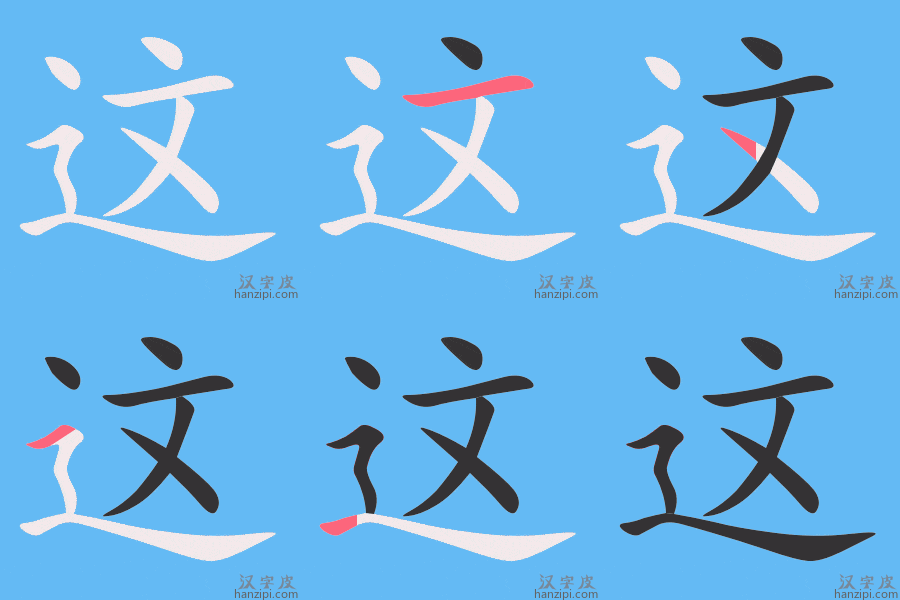
ZHEI (zhèi) is not a standard dictionary syllable, but a spoken variant of “这 zhè / zhèi” = “this”.
It appears when Mandarin speakers:
-
want to stress the word “this”
-
speak naturally, quickly
-
especially in the North / Beijing area
Meaning:
1️⃣ 这 zhèi — “this” (emphatic / natural speech)
Examples:
-
这儿 → zhèr → zhèi’r (colloquial “right here”)
-
这个 → zhège → zhèi ge (stronger emphasis)
-
这件 → zhè jiàn → zhèi jiàn (“this piece/item”)
It does not add new meaning — only pronunciation emphasis.
DEUTSCH
PINYIN ZHEI (zhèi) ist eine Spezialform, die im modernen Mandarin eine umgangssprachliche, betonte Variante von “这 zhè / zhèi” = “this / diese(r/s)” darstellt.
Sie gehört NICHT zu den regulären 404 Pinyin-Silben, ist aber real, gesprochen, hochfrequent – besonders in Nordchina
ZHEI (zhèi) ist keine offizielle Pinyin-Silbe, sondern eine gesprochene, betonte Variante von “这 zhè / zhèi” = “dies / dieses / dieser”.
Sie wird verwendet:
-
bei Betonung
-
im natürlichen Sprechen
-
besonders im Nord- und Pekinger Mandarin
Bedeutung:
1️⃣ 这 zhèi — „dies hier“ (betont / umgangssprachlich)
Beispiele:
-
这儿 → zhèr → zhèi’r („hier, genau hier“)
-
这个 → zhège → zhèi ge („genau dieses hier“)
-
这件 → zhè jiàn → zhèi jiàn („dieses Stück“)
Die Bedeutung bleibt gleich — nur die Aussprache wird verstärkt.
🧩 CORE TABLE — ZHEI (EN / DE)
| Written | Spoken | Pinyin | English | Deutsch | Notes |
|---|---|---|---|---|---|
| 这 | zhè | zhè | this | dies/dieser/dieses | standard |
| 这 | zhèi | zhèi | this (emphatic) | dies hier (betont) | colloquial/North |
| 这儿 | zhèr | zhèi’r | here (emphatic) | hier (betont) | Beijing style |
| 这个 | zhège | zhèi ge | this one (emphatic) | dieses hier | very natural |
⭐ WHY DOES “ZHEI” EXIST?
ENGLISH
Mandarin avoids vowel reduction, so when speakers want to emphasize “this”, the vowel often opens to -ei:
-
zhè → zhèi
-
zhèr → zhèi’r
-
zhège → zhèi ge
This is normal, native-sounding Mandarin.
DEUTSCH
Im gesprochenen Chinesisch wird die Silbe betont, indem das -e → -ei verschoben wird:
-
zhè → zhèi
-
zhèr → zhèi’r
-
zhège → zhèi ge
Das ist natürlich, idiomatisch und typisch für nordchinesische Aussprache.
🗣 EXAMPLE SENTENCES (EN / DE + Pinyin)
1) zhèi ge — this one
我就要这一个。
Wǒ jiù yào zhèi ge.
EN: I want this one, exactly this one.
DE: Ich möchte genau dieses.
2) zhèi’r — right here
你就在这儿等我。
Nǐ jiù zài zhèi’r děng wǒ.
EN: Just wait for me right here.
DE: Warte genau hier auf mich.
3) zhèi jiàn — this item
这件我很喜欢。
Zhèi jiàn wǒ hěn xǐhuan.*
EN: I really like this one (clothing).
DE: Ich mag dieses hier sehr.
⭐ MINI-COMPARISON TABLE — “zhè vs. zhèi”
| Meaning | Standard | Emphatic / Spoken | EN | DE |
|---|---|---|---|---|
| this | zhè | zhèi | this | dies |
| this one | zhège | zhèi ge | this one | dieses |
| here | zhèr | zhèi’r | right here | hier |
| this item | zhè jiàn | zhèi jiàn | this item | dieses Stück |
📚 Kurz-Zusammenfassung (EN / DE)
ENGLISH
ZHEI = zhèi is the spoken, emphatic version of “this (这)”.
Extremely common, especially in the north; not a separate character.
DEUTSCH
ZHEI = zhèi ist die gesprochene, betonte Variante von “这” = „dies“.
Sehr häufig im nördlichen / pekinger Mandarin; kein eigenes Schriftzeichen.
Hanzi |
Pinyin |
Ton |
EN Meaning |
DE Bedeutung |
HSK |
Häufigkeit |
Wortart (DE/EN) |
Notes |
|---|---|---|---|---|---|---|---|---|
这 |
zhè |
🟣 |
this |
dies / dieser / diese |
HSK 1 |
sehr hoch |
⬛ 👉 Demonstrative Pronoun |
zeigt auf etwas Naheliegendes; allein oder vor ZEW |
这个 |
zhè ge |
🟣⚪ |
this (one) |
dieses / dieser / diese |
HSK 1 |
sehr hoch |
⬛ 👉 Demonstrative Pronoun Phrase |
个 oft Neutralton in Alltagssprache → zhège |
这些 |
zhè xiē |
🟣🔴 |
these |
diese (Plural) |
HSK 2 |
sehr hoch |
⬛ 👉 Demonstrative Pronoun Plural |
些 = 1. Ton (xiē) |
这儿 |
zhèr |
🟣 |
here |
hier |
HSK 1 |
sehr hoch |
🟦🟦 🏠 Place Pronoun |
儿化; als ein Silbenkern gehört der 4. Ton |
这里 |
zhè lǐ |
🟣🔵 |
here |
hier |
HSK 1 |
sehr hoch |
🟦🟦 🏠 Place Pronoun |
里 = 3. Ton (lǐ) |
这么 |
zhè me |
🟣⚪ |
so; this (much/way) |
so; derart; auf diese Weise |
HSK 2 |
sehr hoch |
🟪🟪 🎯 Focus Adverb |
么 meist Neutralton (zhème) |
这样 |
zhè yàng |
🟣🟣 |
like this; in this way |
so; auf diese Art/Weise |
HSK 2 |
sehr hoch |
🟪🟪 🎯 Focus Adverb / 🟦 Noun |
样 = 4. Ton (yàng) |
Kurzhinweise:
-
Neutralton (⚪) in häufiger Umgangssprache bei 个 (zhège) und 么 (zhème).
-
Wenn 个 betont wird (z. B. Kontrast), hört man auch gè = 🟣, aber Standard im Alltag ist neutral.